Medical Weight Loss in Ventnor City, NJ
What is Medical Weight Loss?
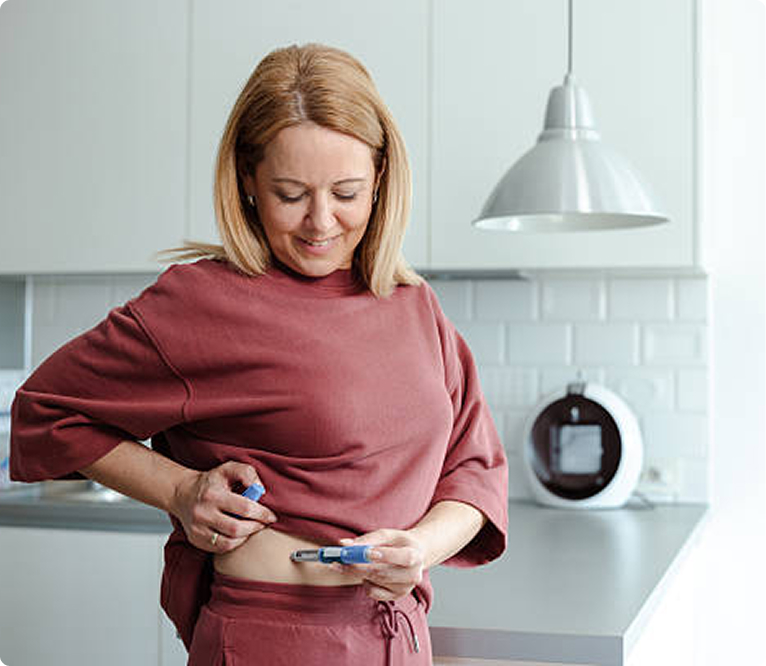
Medical weight loss refers to a personalized, physician-supervised program designed to help individuals achieve and maintain a healthy weight. Unlike fad diets or over-the-counter supplements, medical weight loss programs are based on scientific evidence and tailored to meet the unique needs of each patient. These programs often include a combination of dietary changes, physical activity, behavioral therapy, and, when necessary, prescription medications or other medical interventions.What are the Benefits of Medical Weight Loss in Ventnor City, NJ?
Personalized Approach
One of the main advantages of medical weight loss is its personalized nature. Each program is tailored to an individual’s specific needs, taking into account their medical history, lifestyle, and weight loss goals.
Professional Supervision
Medical weight loss programs are supervised by healthcare professionals who can monitor progress, adjust treatments, and provide expert advice. This supervision ensures that weight loss is safe and effective.
Long-term Success
Unlike many commercial weight loss programs, medical weight loss focuses on sustainable lifestyle changes. The goal is not just to lose weight, but to maintain a healthy weight for life.
Comprehensive Support
Patients receive support in various forms, including nutritional counseling, exercise plans, and behavioral therapy. This comprehensive approach addresses all aspects of weight loss, making it more likely that patients will succeed.
Health Benefits
Losing weight can significantly improve overall health, reducing the risk of chronic diseases such as diabetes, heart disease, and hypertension. It can also improve mobility, energy levels, and mental health.
Who is Medical Weight Loss in Ventnor City, NJ Right For?
Individuals with Significant Weight to Lose
Medical weight loss is ideal for individuals who have a significant amount of weight to lose and have struggled with other weight loss methods.
Patients with Weight-Related Health Conditions
Those with conditions such as diabetes, hypertension, or sleep apnea can benefit from a medically supervised weight loss program. Losing weight can improve or even resolve these conditions.
People Seeking a Safe and Effective Solution
Anyone looking for a safe, effective, and scientifically-backed approach to weight loss can benefit from medical weight loss. The professional supervision ensures that the program is both safe and effective.
Those Who Have Tried Other Methods
Individuals who have tried other weight loss methods without success may find that a medical weight loss program provides the structure and support they need to achieve their goals.
What Conditions Can Medical Weight Loss in Ventnor City, NJ Treat?
Obesity
Medical weight loss is particularly effective for treating obesity. By addressing the root causes of weight gain and providing a structured plan for weight loss, these programs can help individuals achieve and maintain a healthy weight.
Type 2 Diabetes
Weight loss can significantly improve blood sugar control in individuals with type 2 diabetes. Medical weight loss programs often include dietary changes and exercise plans that are specifically designed to manage diabetes.
Hypertension
Losing weight can lower blood pressure, reducing the risk of heart disease and stroke. Medical weight loss programs can help individuals with hypertension achieve and maintain a healthy weight.
Sleep Apnea
Weight loss can reduce the severity of sleep apnea, improving sleep quality and overall health. Medical weight loss programs provide the support needed to achieve significant weight loss.
Joint Pain
Excess weight can put a strain on the joints, leading to pain and mobility issues. Losing weight can alleviate this strain, reducing pain and improving mobility.


What Should I Try at Home Before Seeing a Provider for Medical Weight Loss in Ventnor City, NJ?
Healthy Eating
Before seeking professional help, try to make healthy changes to your diet. Focus on eating a balanced diet that includes plenty of fruits, vegetables, lean proteins, and whole grains. Avoid processed foods, sugary drinks, and excessive amounts of unhealthy fats.
Regular Exercise
Incorporate regular physical activity into your routine. Aim for at least 150 minutes of moderate-intensity exercise per week, such as brisk walking, cycling, or swimming. Strength training exercises can also be beneficial.
Behavioral Changes
Identify and address any behaviors that may be contributing to weight gain. This might include emotional eating, eating out of boredom, or consuming large portions. Mindfulness techniques and stress management can be helpful.
Track Your Progress
Keep a food diary to track what you eat and monitor your physical activity. This can help you identify patterns and areas for improvement.
Set Realistic Goals
Set achievable, realistic weight loss goals. Aim for a gradual weight loss of 1-2 pounds per week, which is considered safe and sustainable.
Our Process for Determining if You Are a Candidate for Medical Weight Loss in Ventnor City, NJ
Initial Consultation
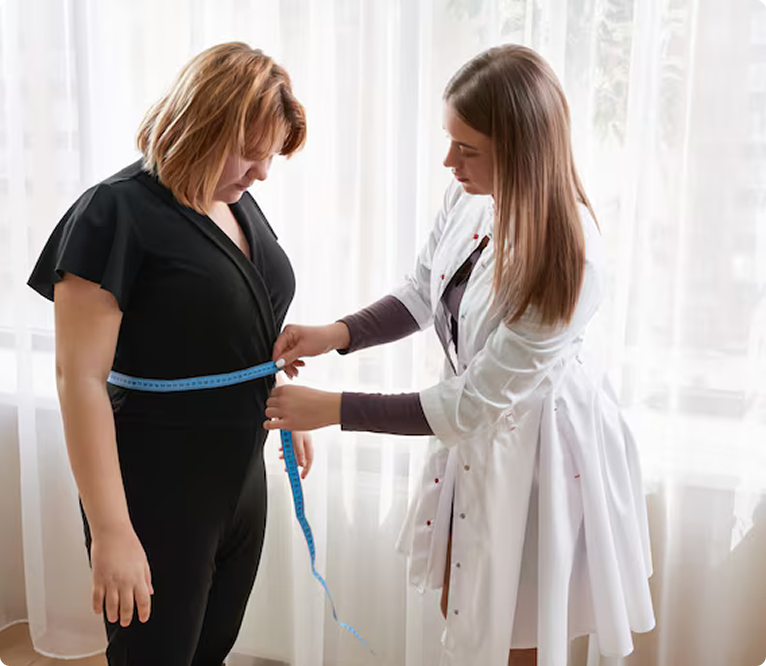
The first step is an initial consultation with one of our healthcare professionals. During this appointment, we will review your medical history, discuss your weight loss goals, and conduct a physical examination.
Comprehensive Assessment
We will perform a comprehensive assessment, which may include lab tests, to evaluate your overall health and identify any underlying conditions that may be contributing to weight gain.
Personalized Plan
Based on the assessment, we will develop a personalized weight loss plan tailored to your specific needs. This plan may include dietary changes, an exercise regimen, behavioral therapy, and, if necessary, prescription medications.
Ongoing Support
Throughout your weight loss journey, you will receive ongoing support from our team. This includes regular check-ins, progress monitoring, and adjustments to your plan as needed.
Long-term Maintenance
Once you achieve your weight loss goals, we will provide support to help you maintain your new, healthy weight. This may include continued dietary and exercise guidance, as well as strategies for managing any challenges that arise.

Conclusion
Medical weight loss offers a safe, effective, and personalized approach to achieving and maintaining a healthy weight. With professional supervision, comprehensive support, and a focus on long-term success, medical weight loss programs provide a viable solution for individuals struggling with weight-related health issues. If you’re in Ventnor City, NJ, and considering medical weight loss, our team is here to help you every step of the way.

Treatment Locations
- Absecon, NJ
- Atlantic City, NJ
- Avalon, NJ
- Bay Head, NJ
- Belmar, NJ
- Brielle, NJ
- Brigantine, NJ
- Buena Vista Township, NJ
- Cape May, NJ
- Deal, NJ
- Dennis Township, NJ
- Egg Harbor Township, NJ
- Estell Manor, NJ
- Fair Haven, NJ
- Galloway Township, NJ
- Hamilton Township, NJ
- Hammonton, NJ
- Linwood, NJ
- Longport, NJ
- Lower Township, NJ
- Manasquan, NJ
- Margate City, NJ
- Middle Township, NJ
- Millville, NJ
- Mullica Township, NJ
- North Wildwood, NJ
- Northfield, NJ
- Ocean City, NJ
- Pleasantville, NJ
- Point Pleasant Beach, NJ
- Port Republic, NJ
- Rumson, NJ
- Sea Girt, NJ
- Sea Isle City, NJ
- Somers Point, NJ
- Spring Lake, NJ
- Stone Harbor, NJ
- Upper Township, NJ
- Ventnor City, NJ
- Vineland, NJ
- Wildwood Crest, NJ
- Wildwood, NJ