Hormone Replacement Therapy for Women in Somers Point, NJ
Hormone Replacement Therapy (HRT) is a significant treatment option for many women experiencing hormonal imbalances, particularly during menopause. This comprehensive blog post will explore the ins and outs of HRT, its benefits, who it’s right for, the conditions it can treat, and what steps to take before seeing a provider. Additionally, we’ll outline our process for determining if you’re a candidate for HRT.
What is Hormone Replacement Therapy for Women in Somers Point, NJ?
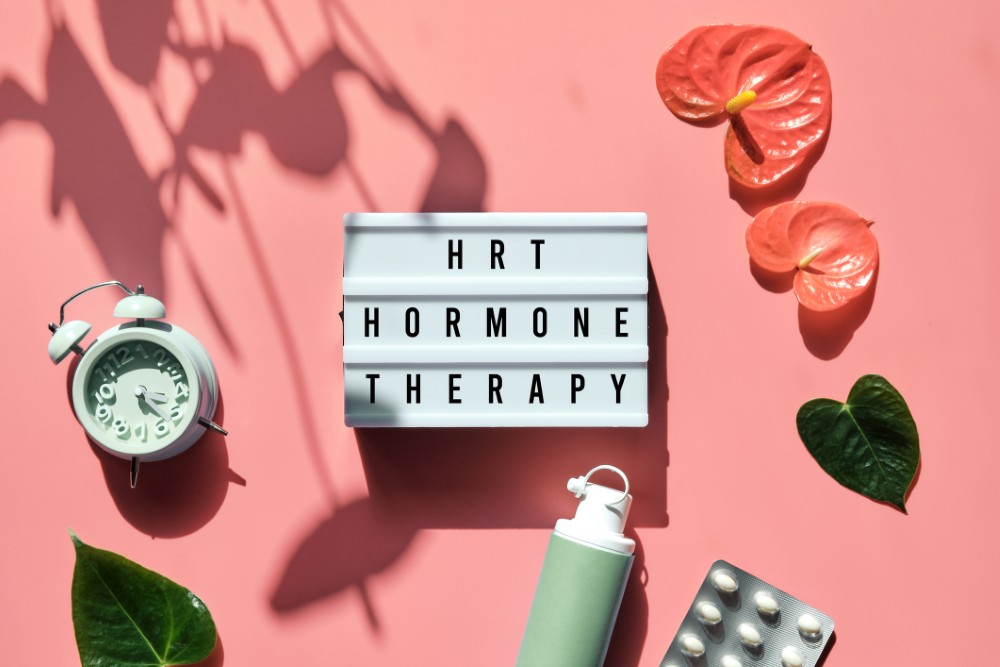
Hormone Replacement Therapy, commonly known as HRT, involves supplementing the body with hormones, such as estrogen and progesterone, which naturally decline during menopause. This treatment aims to alleviate symptoms associated with hormonal imbalances, improving the overall quality of life for many women.
HRT can be administered in various forms, including pills, patches, gels, and creams. Each method has its advantages and potential side effects, and the best option depends on individual needs and medical history.


What Are the Benefits of Hormone Replacement Therapy for Women in Somers Point, NJ?
HRT offers numerous benefits for women struggling with the symptoms of menopause and other hormonal imbalances:
1. Relief from Menopausal Symptoms
HRT can significantly reduce common menopausal symptoms such as hot flashes, night sweats, and vaginal dryness. These symptoms can be debilitating, affecting sleep quality, mood, and daily activities.
2. Improved Bone Health
Estrogen plays a crucial role in maintaining bone density. HRT can help prevent osteoporosis and reduce the risk of fractures by maintaining healthier bone density levels.
3. Enhanced Mood and Mental Health
Hormonal imbalances can lead to mood swings, anxiety, and depression. HRT can help stabilize mood and improve overall mental health, contributing to a better quality of life.
4. Cardiovascular Health
Some studies suggest that HRT may have a protective effect on the heart, especially when started early in the menopausal transition. It may help reduce the risk of heart disease by improving cholesterol levels and maintaining healthy blood vessels.
Who is Hormone Replacement Therapy for Women in Somers Point, NJ Right For?
HRT is suitable for many women, but it’s not a one-size-fits-all solution. It’s essential to consider individual health profiles and consult with a healthcare provider to determine if HRT is appropriate. Generally, HRT may be right for:
However, HRT may not be suitable for women with a history of certain cancers, blood clots, liver disease, or unexplained vaginal bleeding. A thorough medical evaluation is crucial to ensure safety and effectiveness.


What Conditions Can Hormone Replacement Therapy for Women in Somers Point, NJ Treat?
HRT is primarily used to treat menopausal symptoms, but it can also address other conditions related to hormonal imbalances:
1. Menopause
As mentioned, HRT is highly effective in alleviating menopausal symptoms such as hot flashes, night sweats, and vaginal dryness.
2. Osteoporosis
By maintaining bone density, HRT helps prevent osteoporosis, a condition characterized by weak and brittle bones.
3. Premature Ovarian Insufficiency (POI)
Women with POI experience menopause-like symptoms before the age of 40. HRT can help manage these symptoms and reduce long-term health risks.
4. Hypogonadism
In cases where the ovaries produce insufficient hormones, HRT can help restore hormonal balance and alleviate symptoms.
What Should I Try at Home Before Seeing a Provider for Hormone Replacement Therapy for Women in Somers Point, NJ?
Before considering HRT, there are several lifestyle changes and natural remedies you can try to manage menopausal symptoms:
1. Diet and Nutrition
A balanced diet rich in calcium, vitamin D, and phytoestrogens can help manage symptoms and support bone health. Foods like leafy greens, soy products, and dairy are beneficial.
2. Regular Exercise
Engaging in weight-bearing exercises, such as walking, jogging, or strength training, can help maintain bone density and improve overall health.
3. Stress Management
Practices like yoga, meditation, and deep-breathing exercises can help manage stress and improve mood.
4. Herbal Supplements
Some women find relief from menopausal symptoms with herbal supplements like black cohosh, red clover, and evening primrose oil. However, it’s essential to consult a healthcare provider before starting any new supplement.
5. At-Home Beauty Devices
For women experiencing skin changes due to hormonal fluctuations, at-home beauty devices from brands like Lux Skin – Lasers can be beneficial. Products like LED face masks and microdermabrasion tools can enhance skin health and appearance, providing a convenient and cost-effective alternative to salon treatments.

Our Process for Determining if You Are a Candidate for Hormone Replacement Therapy for Women in Somers Point, NJ
Determining if HRT is right for you involves a comprehensive evaluation process:
1. Initial Consultation
During your first visit, we’ll discuss your symptoms, medical history, and any previous treatments you’ve tried. This conversation helps us understand your unique needs and concerns.
2. Physical Examination
A physical exam allows us to assess your overall health and identify any potential contraindications for HRT.
3. Blood Tests
Blood tests help measure your hormone levels and provide valuable insights into your hormonal balance. These tests are crucial for tailoring the most effective treatment plan.
4. Risk Assessment
We’ll evaluate your risk factors for conditions like heart disease, osteoporosis, and certain cancers. This assessment ensures that HRT is a safe option for you.
5. Personalized Treatment Plan
Based on the information gathered, we’ll develop a personalized treatment plan that addresses your specific needs and goals. This plan may include the type of HRT, dosage, and administration method best suited for you.
6. Ongoing Monitoring
HRT requires regular monitoring to ensure its effectiveness and safety. We’ll schedule follow-up appointments to track your progress and make any necessary adjustments to your treatment plan.
Treatment Locations
- Absecon, NJ
- Atlantic City, NJ
- Avalon, NJ
- Bay Head, NJ
- Belmar, NJ
- Brielle, NJ
- Brigantine, NJ
- Buena Vista Township, NJ
- Cape May, NJ
- Deal, NJ
- Dennis Township, NJ
- Egg Harbor Township, NJ
- Estell Manor, NJ
- Fair Haven, NJ
- Galloway Township, NJ
- Hamilton Township, NJ
- Hammonton, NJ
- Linwood, NJ
- Longport, NJ
- Lower Township, NJ
- Manasquan, NJ
- Margate City, NJ
- Middle Township, NJ
- Millville, NJ
- Mullica Township, NJ
- North Wildwood, NJ
- Northfield, NJ
- Ocean City, NJ
- Pleasantville, NJ
- Point Pleasant Beach, NJ
- Port Republic, NJ
- Rumson, NJ
- Sea Girt, NJ
- Sea Isle City, NJ
- Somers Point, NJ
- Spring Lake, NJ
- Stone Harbor, NJ
- Upper Township, NJ
- Ventnor City, NJ
- Vineland, NJ
- Wildwood Crest, NJ
- Wildwood, NJ